Please note that all lead sizes and weights are subject to a 5% manufacturing tolerance on size and weight.
In line with London Metal Exchange (LME) fluctuations, lead prices are subject to change without notification
Choosing the Right Sash Lead Weight
Choosing the correct weight is important for the smooth and reliable operation of a traditional sash window. The most suitable option will depend on the weight of the glazed sash, the space available within the sash box and whether you are installing new counterweights or adjusting an existing system.
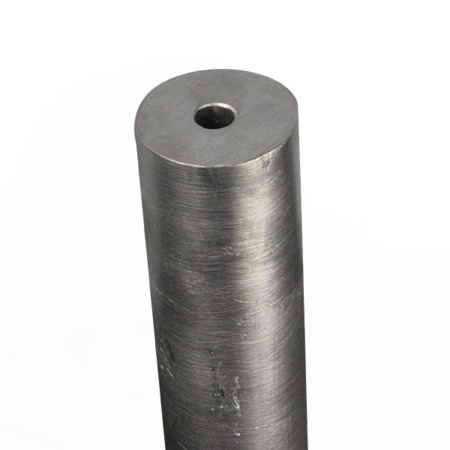
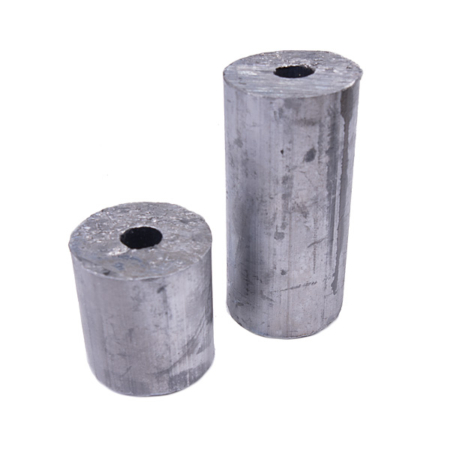
Round section lead weights provide a traditional solution for balancing timber sash windows and are particularly suitable when replacing existing cylindrical or cast iron weights. Available in different diameters, they can be cut to the required length to achieve the appropriate counterbalance while fitting within the available sash box.
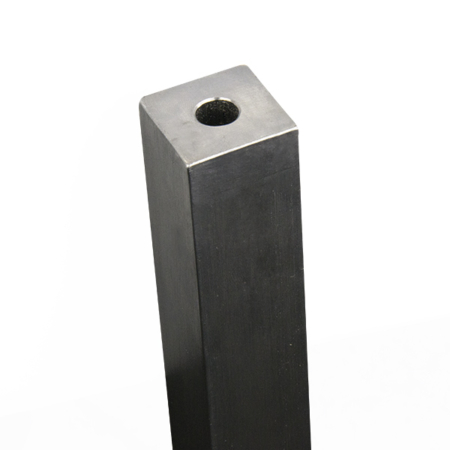
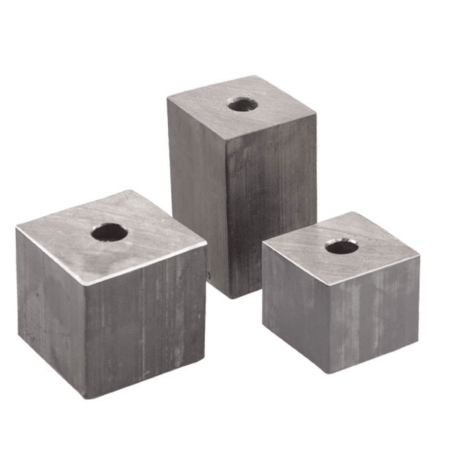
Square section lead weights provide an alternative to the traditional round profile and can be particularly useful where the dimensions of the sash box make more efficient use of the available space important. They can also be cut to length to achieve the required weight for the sash.
Add-on weights provide a convenient way to increase an existing sash counterweight without replacing the complete weight. This can be useful following reglazing or other alterations that have increased the weight of the sash and require additional counterbalance.
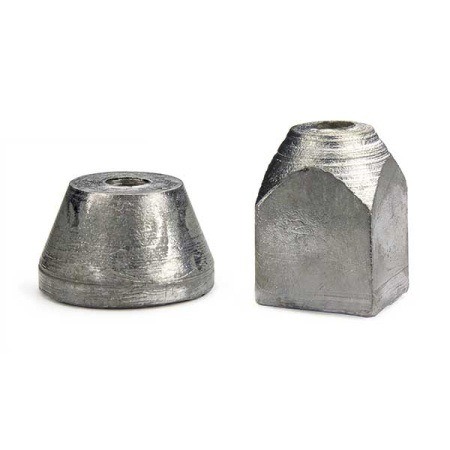
Deflector weights are designed to help prevent suspended sash weights from catching on each other as they move within the sash box. They can also be used to increase an existing counterweight by 1lb, providing a simple way of making a small adjustment to the balance of the window.
Why Use Lead Weights for Sash Windows?
Lead is particularly well suited to traditional sash window counterweights because its high density allows substantial weight to be achieved within the limited space of a sash box.
Another practical advantage is that lead weights can be easily cut to the required length using a hand saw, making it straightforward to fine-tune the counterbalance for a particular sash. This can be especially useful during restoration work or where glazing and hardware changes have altered the original sash weight.
Compared with steel, lead can therefore offer greater flexibility where space is restricted or where the counterweight needs to be adjusted accurately on site.