Hardware for Casement Windows
The components used on a casement will depend on its frame material, opening configuration and method of operation. Traditional timber windows may use surface-mounted stays and butt hinges, while many modern casements use concealed friction mechanisms fitted between the opening sash and frame.
When replacing existing hardware, check the dimensions, fixing positions and operating requirements carefully. Components that appear similar may differ in size, load capacity or compatibility with the window.
Window Hinges and Stays
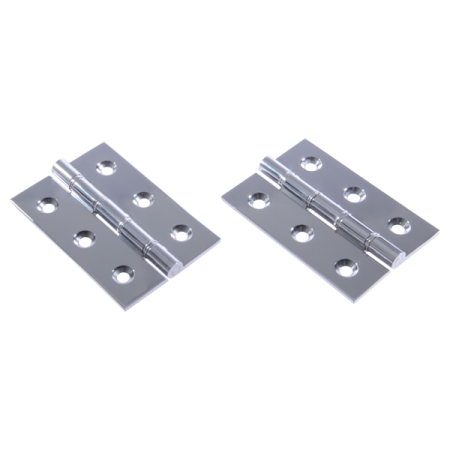
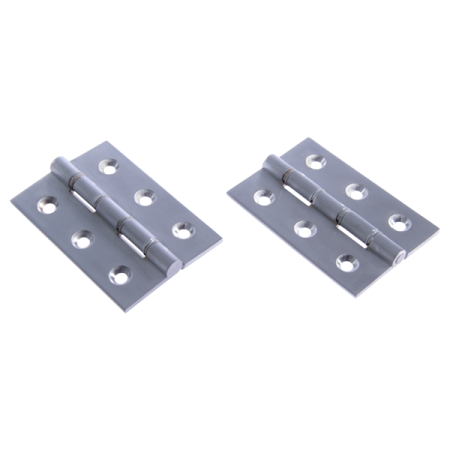
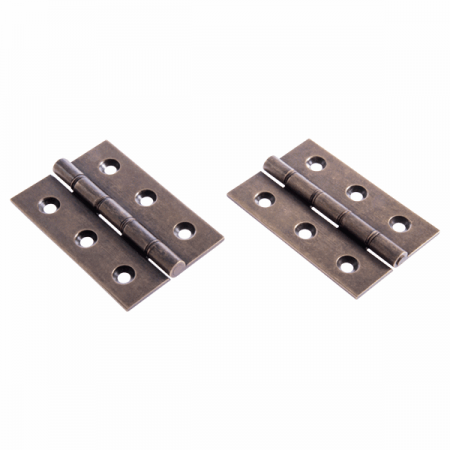
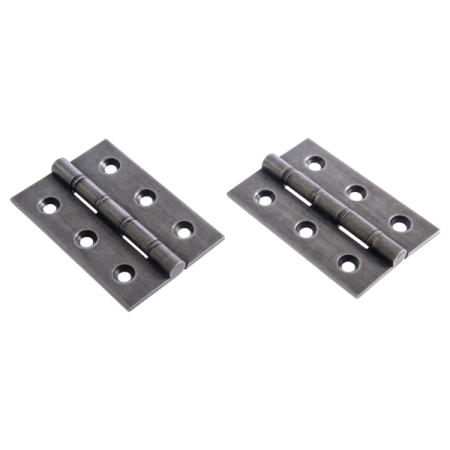
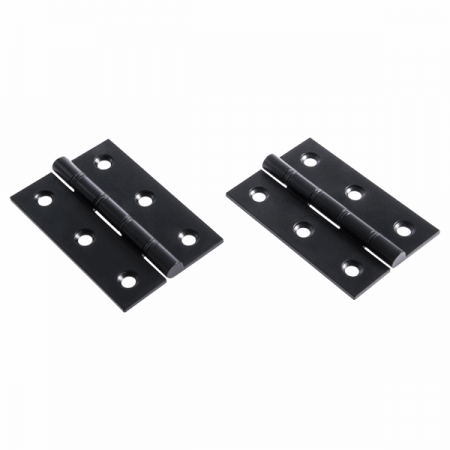
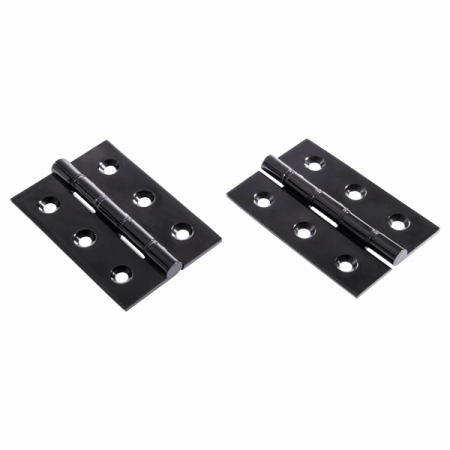
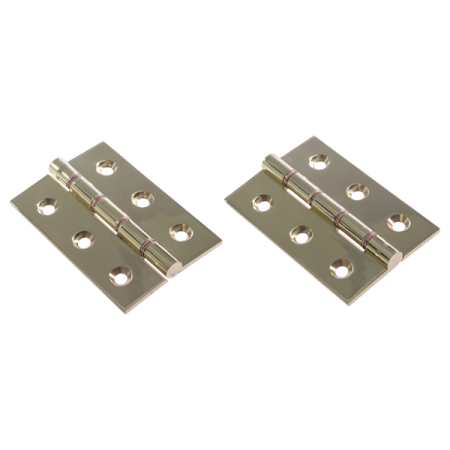
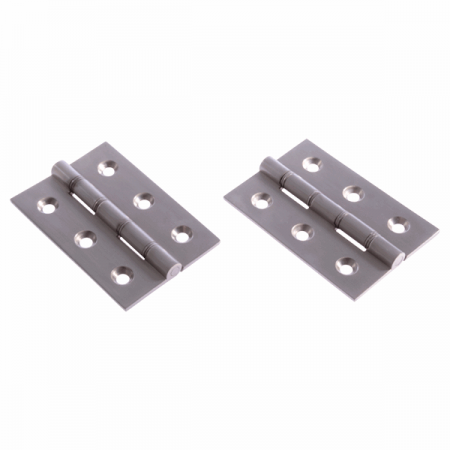
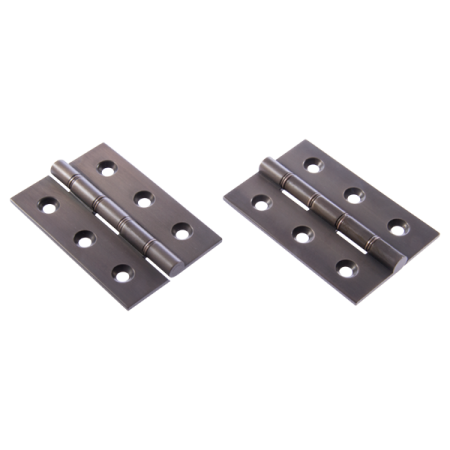
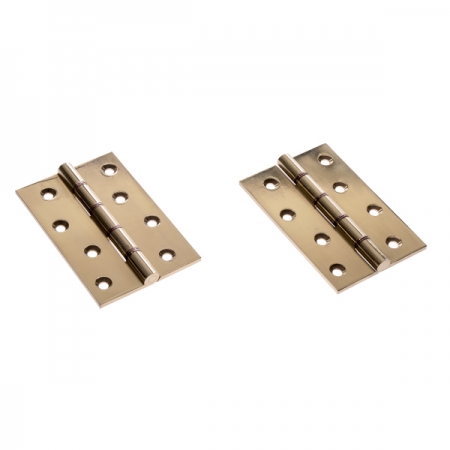
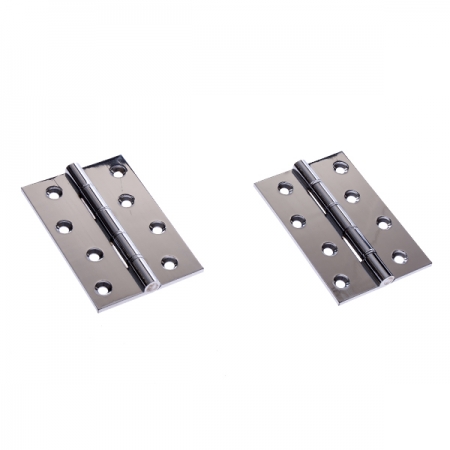
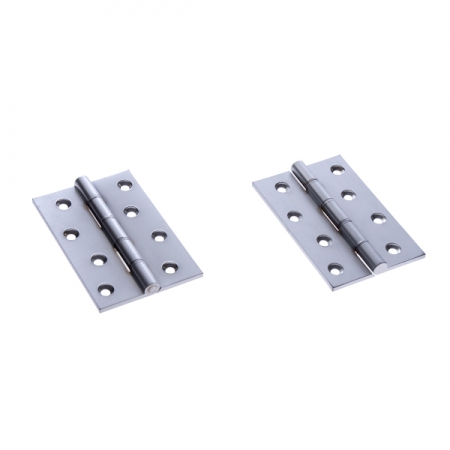
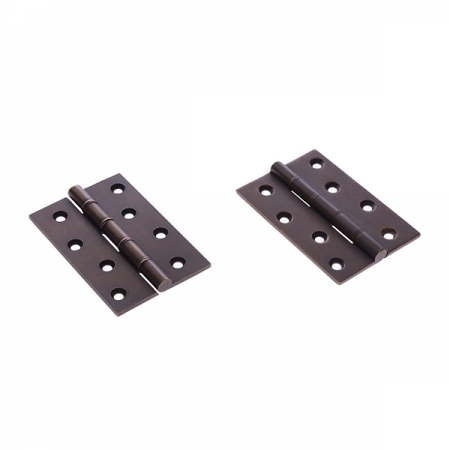
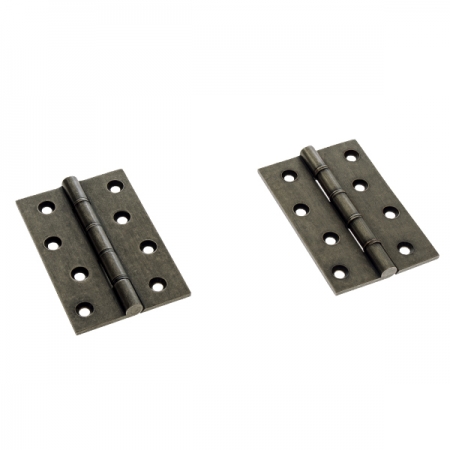
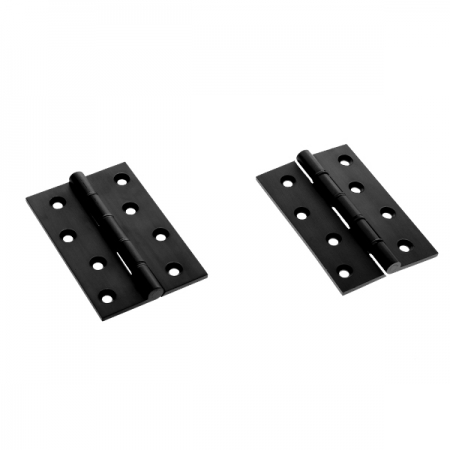
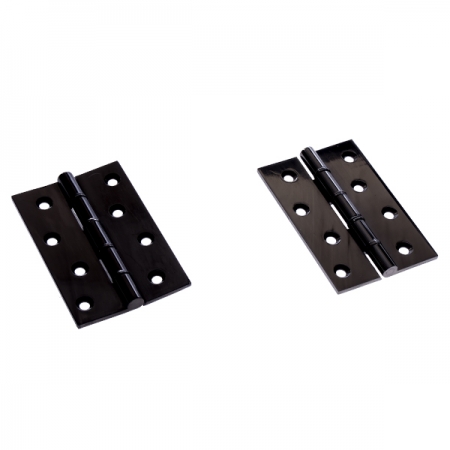
Our casement window hinges include traditional double phosphor bronze washered butt hinges for timber windows. Available in two sizes and a wide selection of finishes, they can be coordinated with matching handles, fasteners and other furniture.
Surface-mounted window stays allow an opening casement to be held in a choice of positions. The collection includes ball-end, pigtail and other traditional designs, with forged options available for high-quality joinery, heritage properties and restoration work.
Friction Stays and Trickle Vents
Window friction stays combine the functions of a hinge and a stay within one mechanism. Fitted between the opening sash and frame, they support and control the movement of many modern casement windows. The correct type and size should be selected according to the window dimensions, weight, opening configuration and required performance.
Trickle vents provide background ventilation while the window remains closed. Different sizes and airflow capacities are available to suit the window design and applicable ventilation requirements.
For visible operating fittings and decorative ironmongery, explore our complementary range of casement window furniture, including traditional fasteners and espagnolette handles.