Choosing Hinges for Timber Casement Windows
The correct hinge will depend on the size, weight and construction of the opening casement, as well as the position in which it will be fitted. Before replacing an existing hinge, check its height, width, thickness and fixing positions. A hinge with a similar appearance may not necessarily be a direct replacement.
For new joinery, consider the weight and dimensions of the casement together with the number and position of the hinges required. The window manufacturer’s specifications should always be followed where available.
Double Phosphor Bronze Washered Hinges
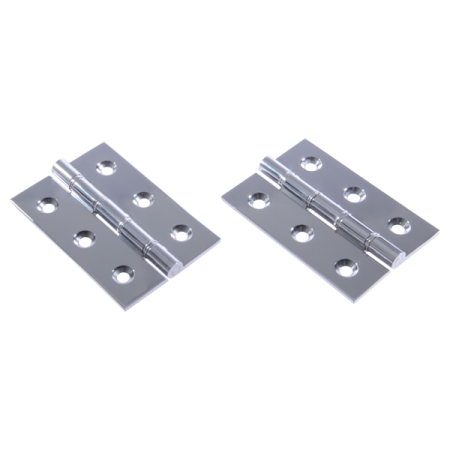
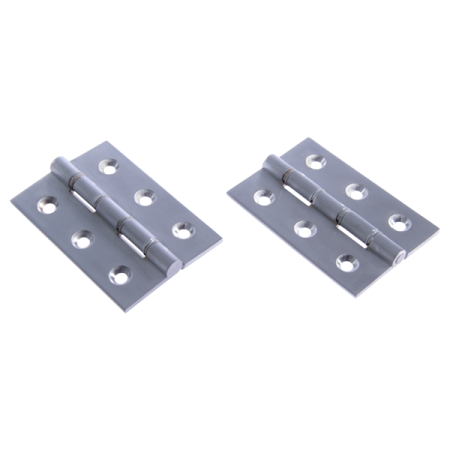
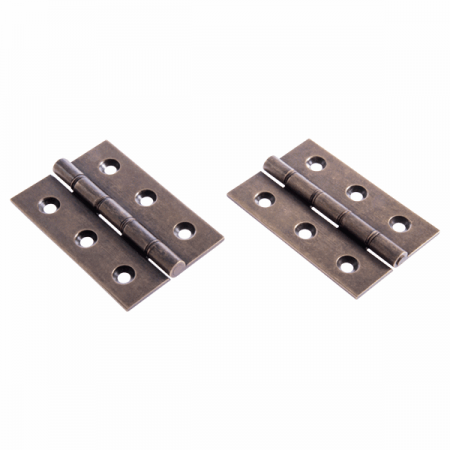
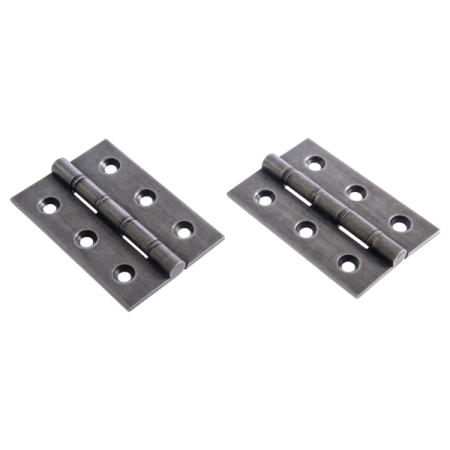
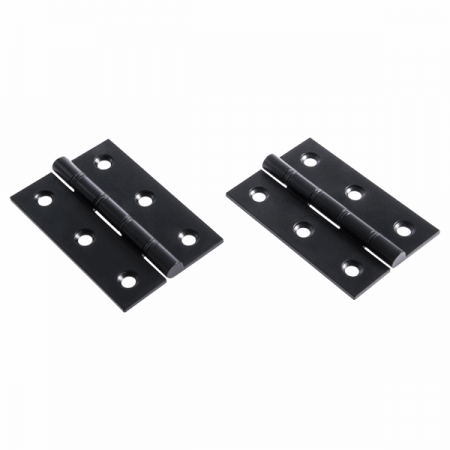
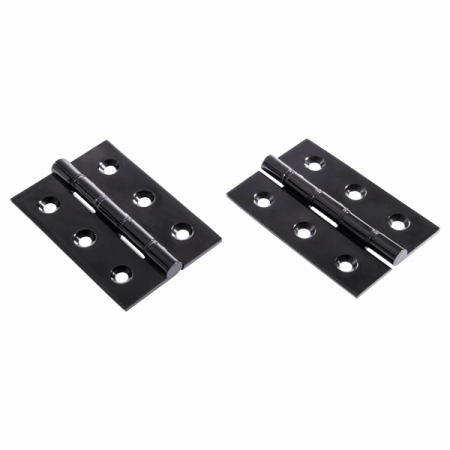
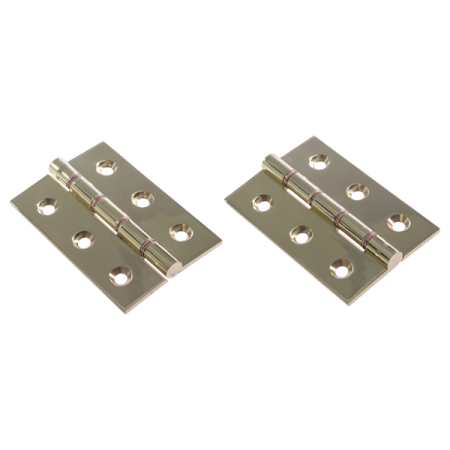
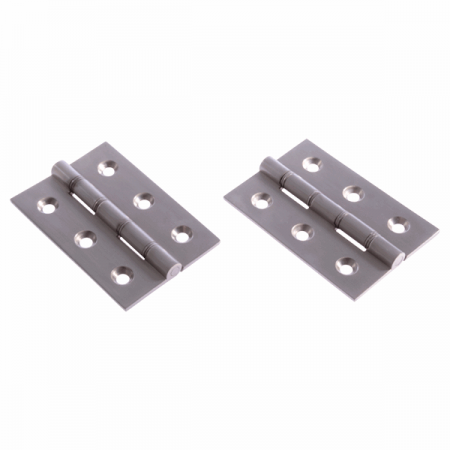
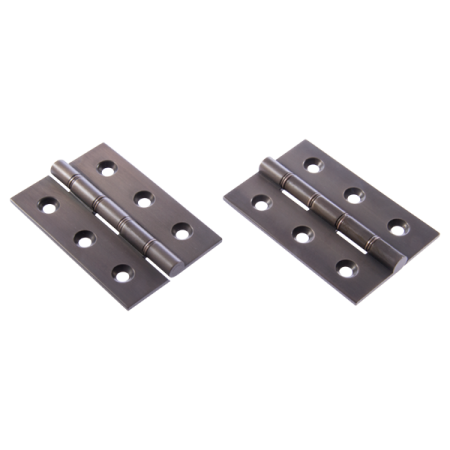
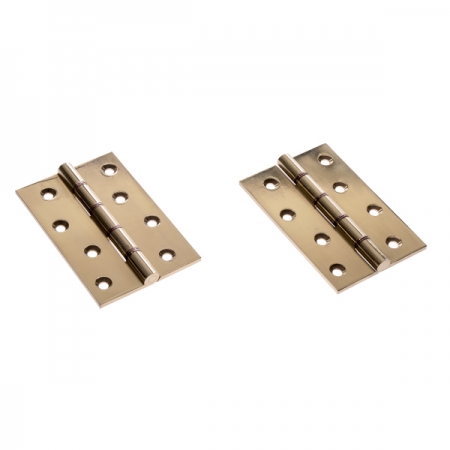
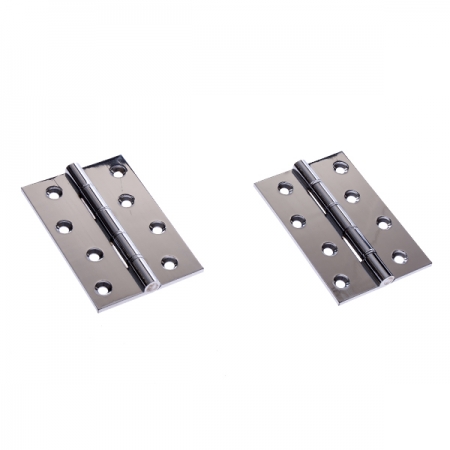
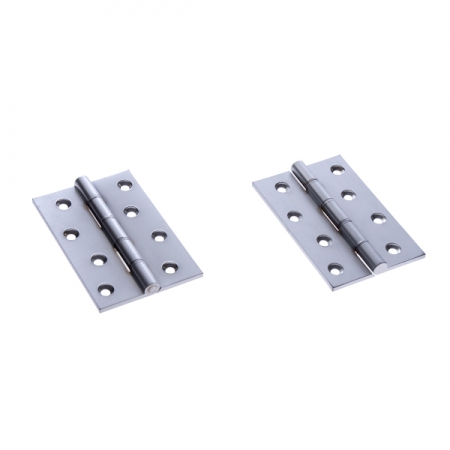
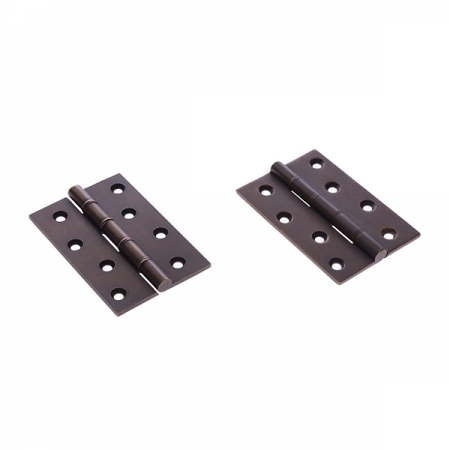
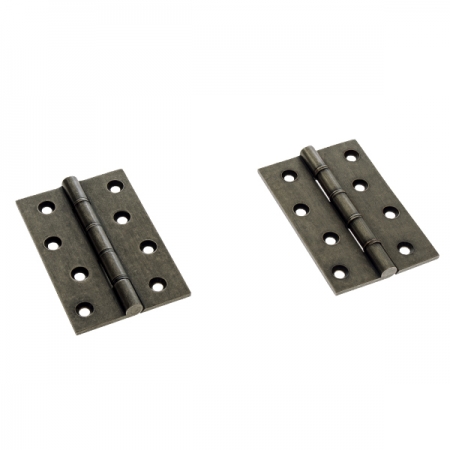
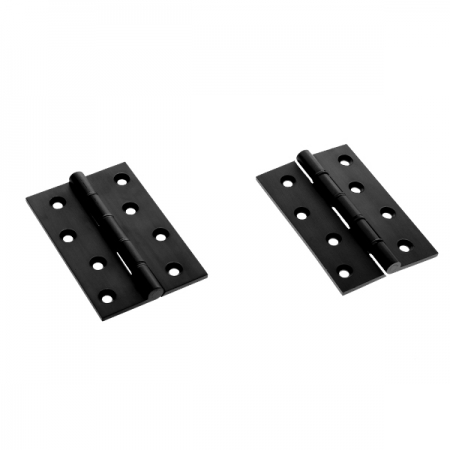
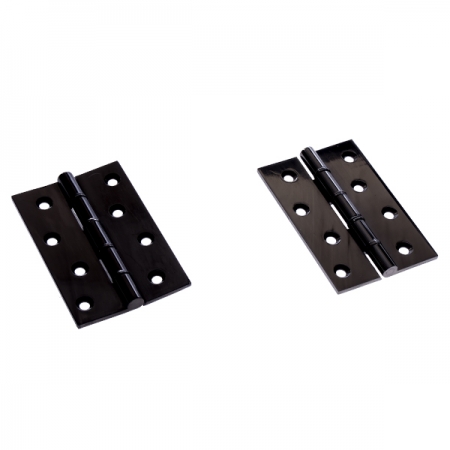
Our traditional butt hinges incorporate double phosphor bronze washers between the hinge knuckles. This washered construction helps the hinge operate smoothly and reduces direct contact between the moving components.
The collection includes 76 × 50mm hinges with a 2.5mm gauge and larger 102 × 67mm hinges with a 3.5mm gauge. Choose the size appropriate for the window and application rather than selecting on appearance alone.
Some of these hinges can also be used for suitable internal or external doors. When specifying them for a door, check that the hinge dimensions and intended duty are appropriate for the size and weight of the door.
Coordinating Finishes
A broad choice of finishes is available, including polished brass, polished chrome, satin chrome, mottled antique brass, antique pewter, antique bronze, black, black nickel and satin steel. Availability varies by hinge size.
The finish can be coordinated with matching window handles and window stays to create a consistent appearance across the complete casement.
These traditional butt hinges should not be confused with window friction stays, which are mechanisms fitted between the sash and frame on many modern casement windows.